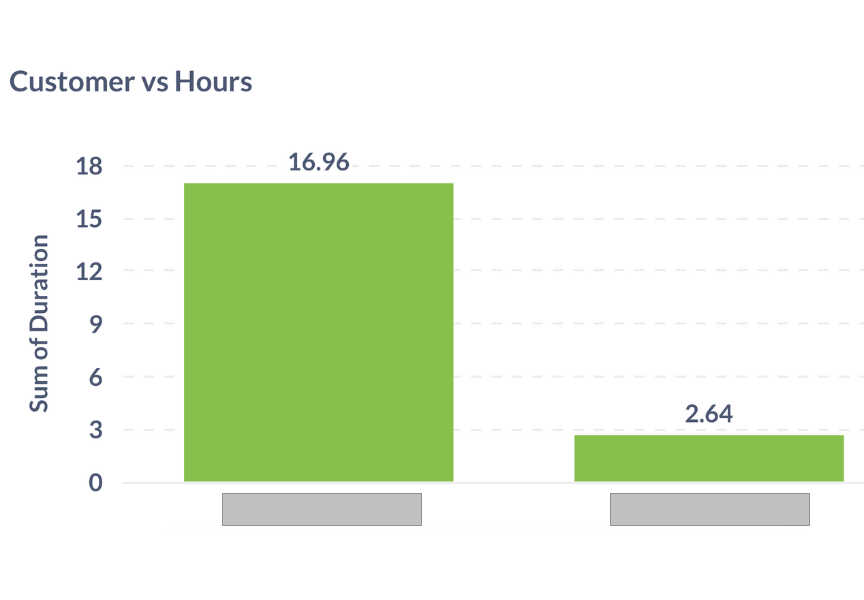
Measuring your own billable and non-billable hours is important for several reasons. This practice provides valuable insights into your work patterns, productivity levels, and business efficiency. Let's explore the key benefits:
⏰ Time Management
By tracking and measuring your billable and non-billable hours, you gain a clear understanding of how you are allocating your time. It allows you to identify time-wasting activities, prioritize your work effectively, and improve your overall time management skills.
When you have visibility into how your time is being spent, you can make informed decisions about which activities to focus on and which ones to minimize or eliminate. This leads to better productivity and more efficient use of your working hours.
📊 Performance Evaluation
Measuring your billable and non-billable hours helps you evaluate your own productivity and performance. It enables you to assess how much time you are spending on revenue-generating tasks versus non-revenue-generating activities. This self-assessment allows you to make adjustments and focus your efforts on activities that contribute the most to your goals and objectives.
By understanding your performance patterns, you can identify areas where you excel and areas that need improvement. This self-awareness is crucial for professional growth and development.
⚖️ Work-Life Balance
By tracking your billable and non-billable hours, you can gain insights into your work-life balance. It helps you understand how much time you are dedicating to work-related tasks versus personal or non-work activities. This awareness allows you to make conscious decisions and adjustments to maintain a healthy balance between work and personal life.
Maintaining a healthy work-life balance is essential for long-term success and well-being. By monitoring your time allocation, you can ensure that you're not overworking and that you're dedicating sufficient time to personal activities, family, and self-care.
🎯 Goal Setting and Accountability
Measuring your billable and non-billable hours provides you with data to set realistic goals and hold yourself accountable. It allows you to set targets for billable hours and monitor your progress towards those goals. It also helps you identify areas where you may need to improve your productivity or time allocation.
Setting specific, measurable goals for your time allocation helps you stay focused and motivated. Regular tracking allows you to see your progress and make adjustments as needed to stay on track with your objectives.
💰 Financial Tracking
If you are a freelancer or work on projects with hourly rates, measuring your billable hours helps you accurately track your income and ensure that you are billing clients correctly. It enables you to generate accurate invoices and maintain financial records.
Accurate financial tracking is essential for business success. By monitoring your billable hours, you can ensure that you're being compensated fairly for your work and that your business is financially sustainable.
🎯 Strategic Decision Making
With detailed time tracking data, you can make more informed strategic decisions about your business or career. You can identify which types of work are most profitable, which clients are most valuable, and where you should focus your efforts for maximum impact.
This data-driven approach to decision making can significantly improve your business outcomes and career trajectory.
💬 Client Communication
Having accurate records of your billable hours enables better communication with clients. You can provide detailed breakdowns of work completed, justify your billing, and build trust through transparency.
Clear communication about time allocation and billing helps maintain strong client relationships and reduces disputes.
🚀 Professional Development
Tracking your time helps you identify areas for skill development and professional growth. You can see which activities take up the most time and determine if additional training or process improvements would be beneficial.
This insight can guide your professional development efforts and help you become more efficient and effective in your work.
✨ Conclusion
Overall, measuring your own billable and non-billable hours is important for self-improvement, personal accountability, and maintaining a healthy work-life balance. It allows you to make informed decisions, optimize your productivity, and achieve your professional and personal goals.
By implementing a consistent time tracking system, you can gain valuable insights into your work patterns, improve your efficiency, and ultimately achieve greater success in your professional endeavors.